Mill for schools
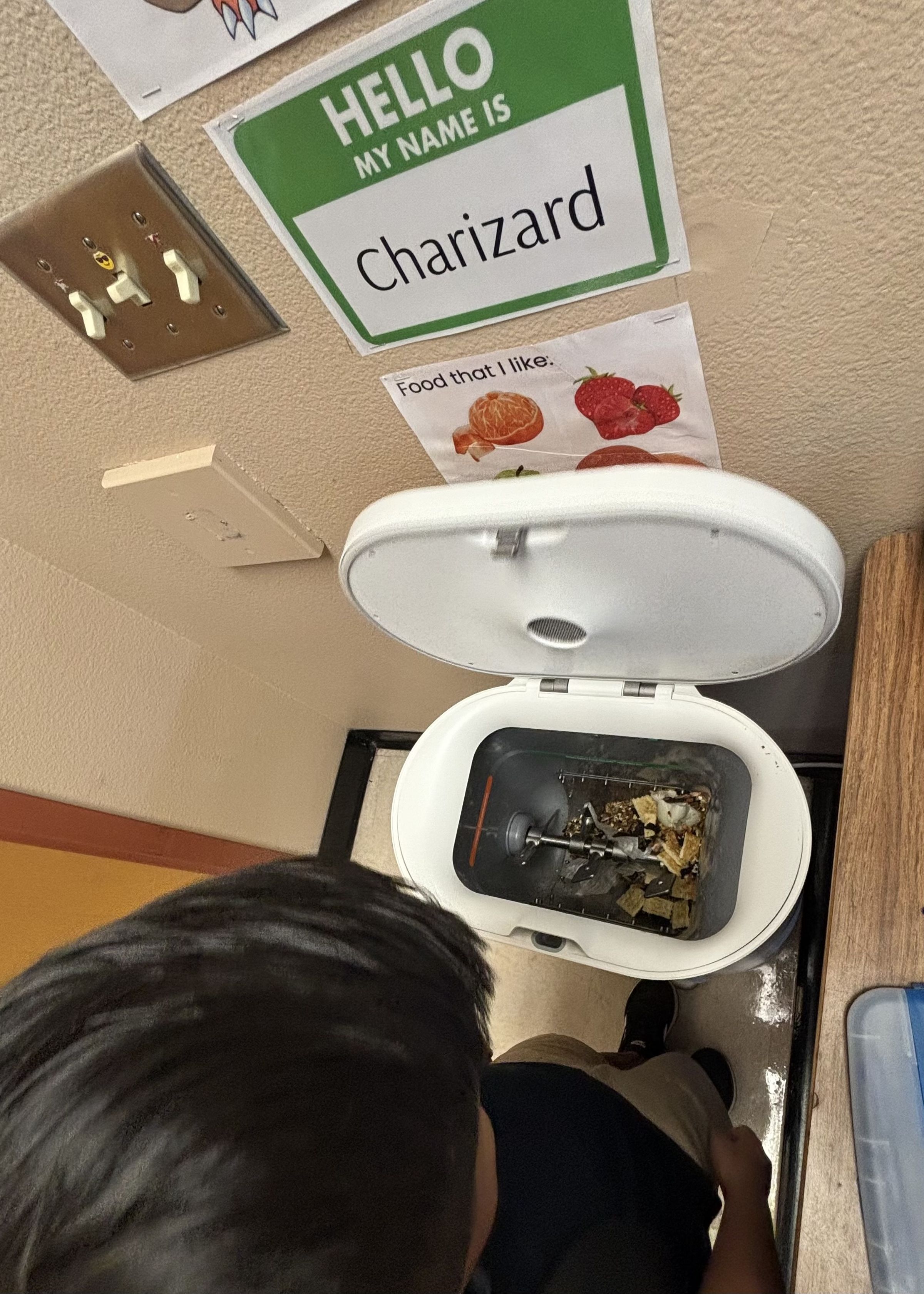
The food recycler is a great, hands-on way to teach children about preventing food waste and the benefits of keeping food in our food system. Mill is guaranteed to get a positive reaction — even from the 7th graders.
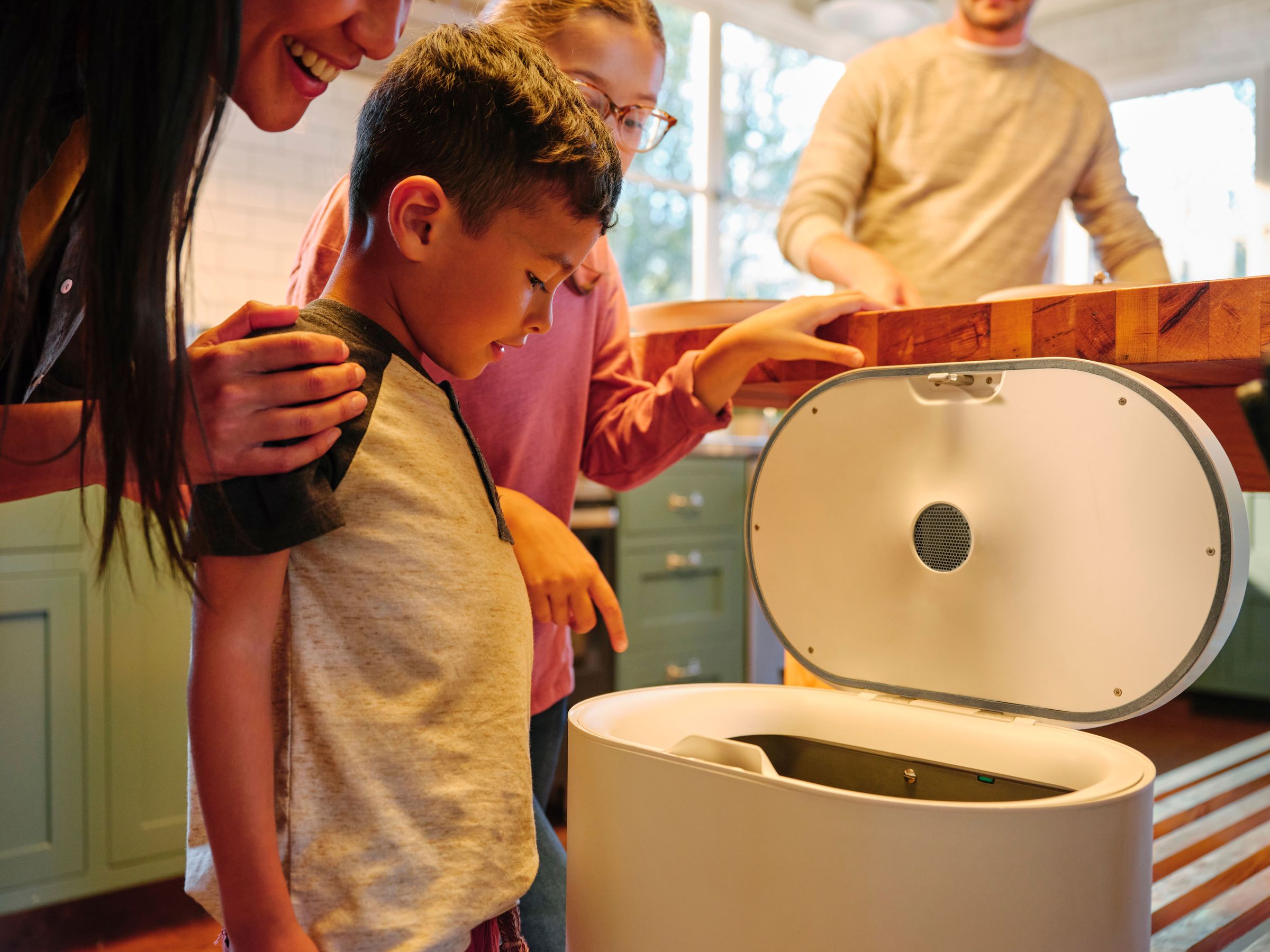
Mill food recycler
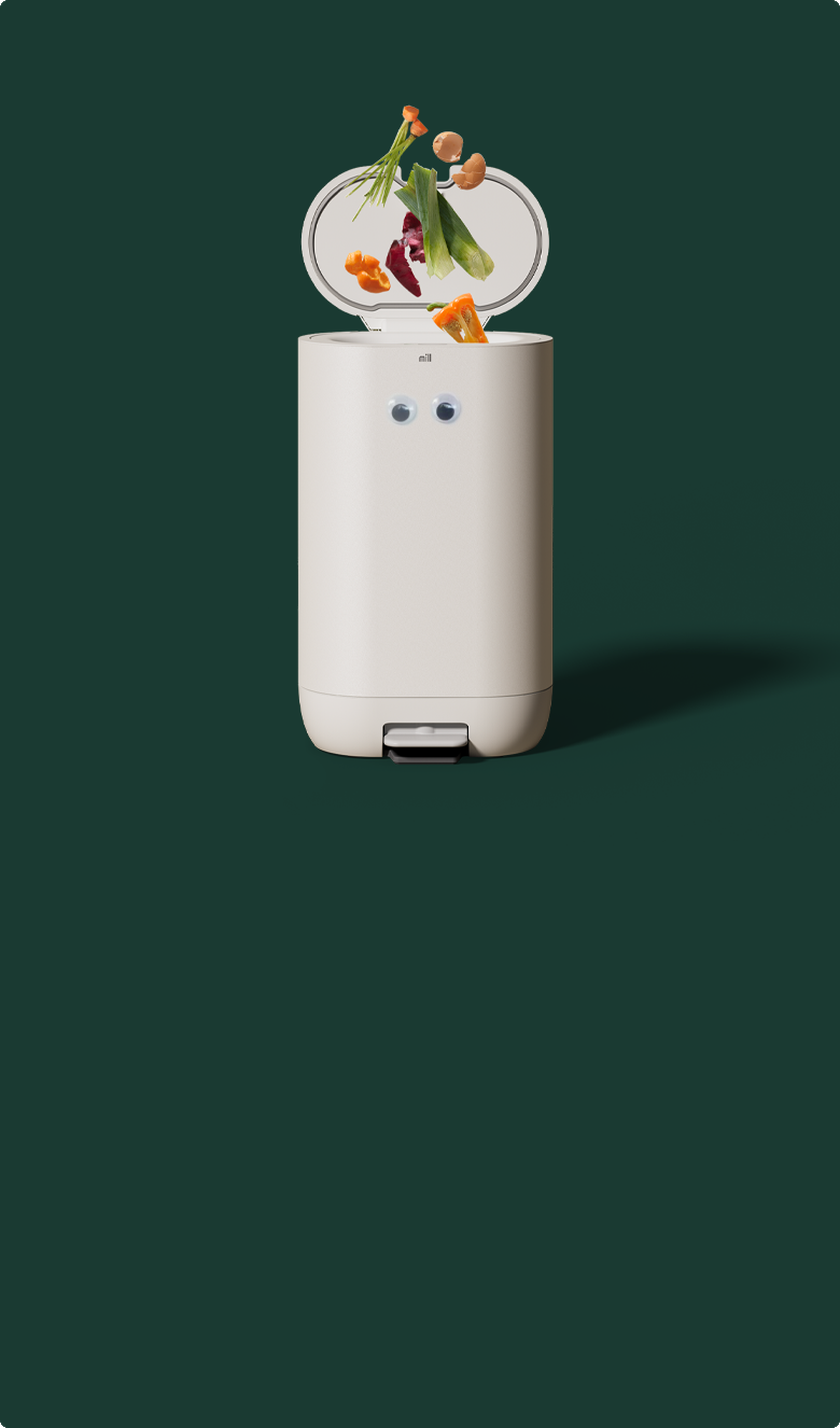
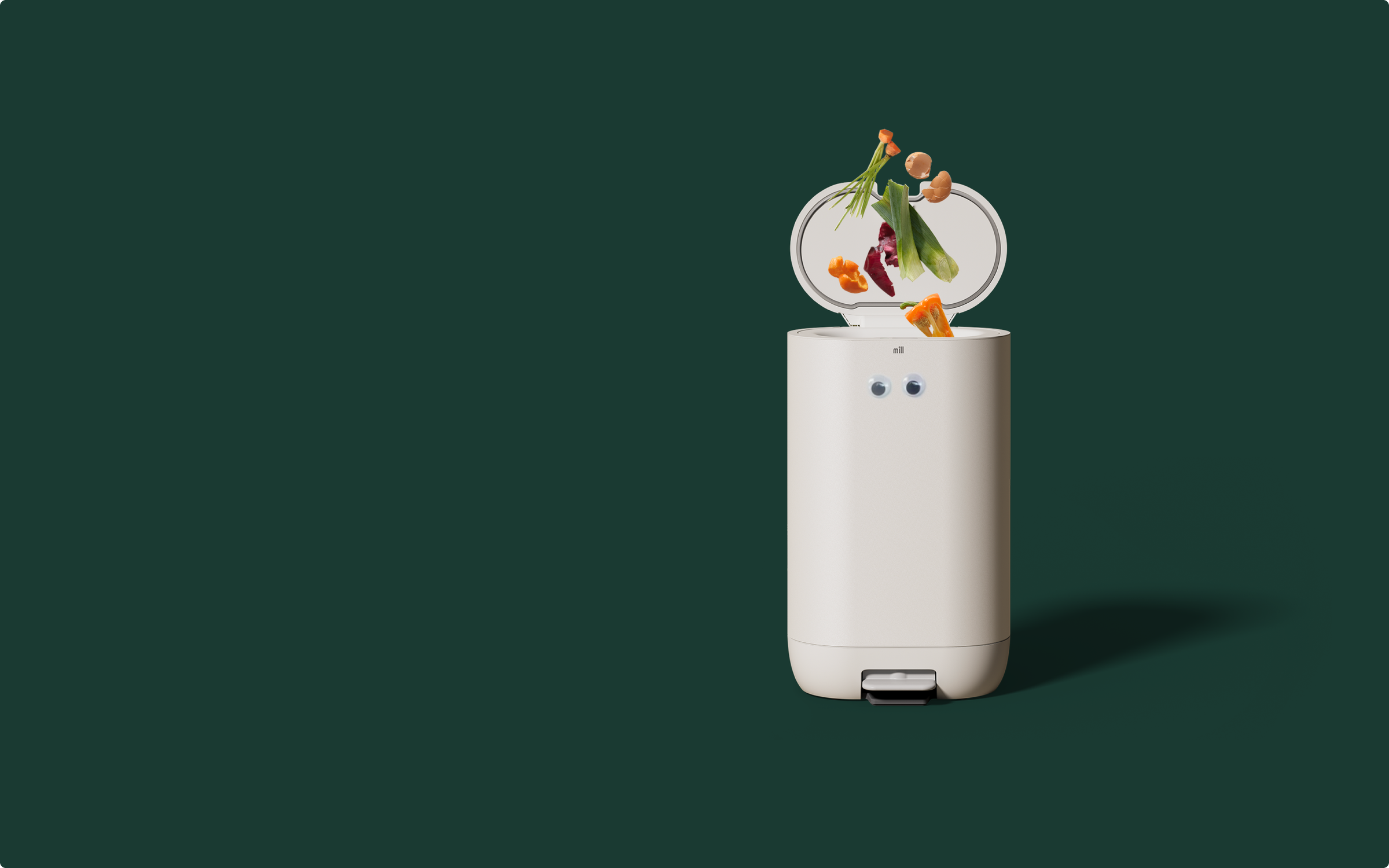
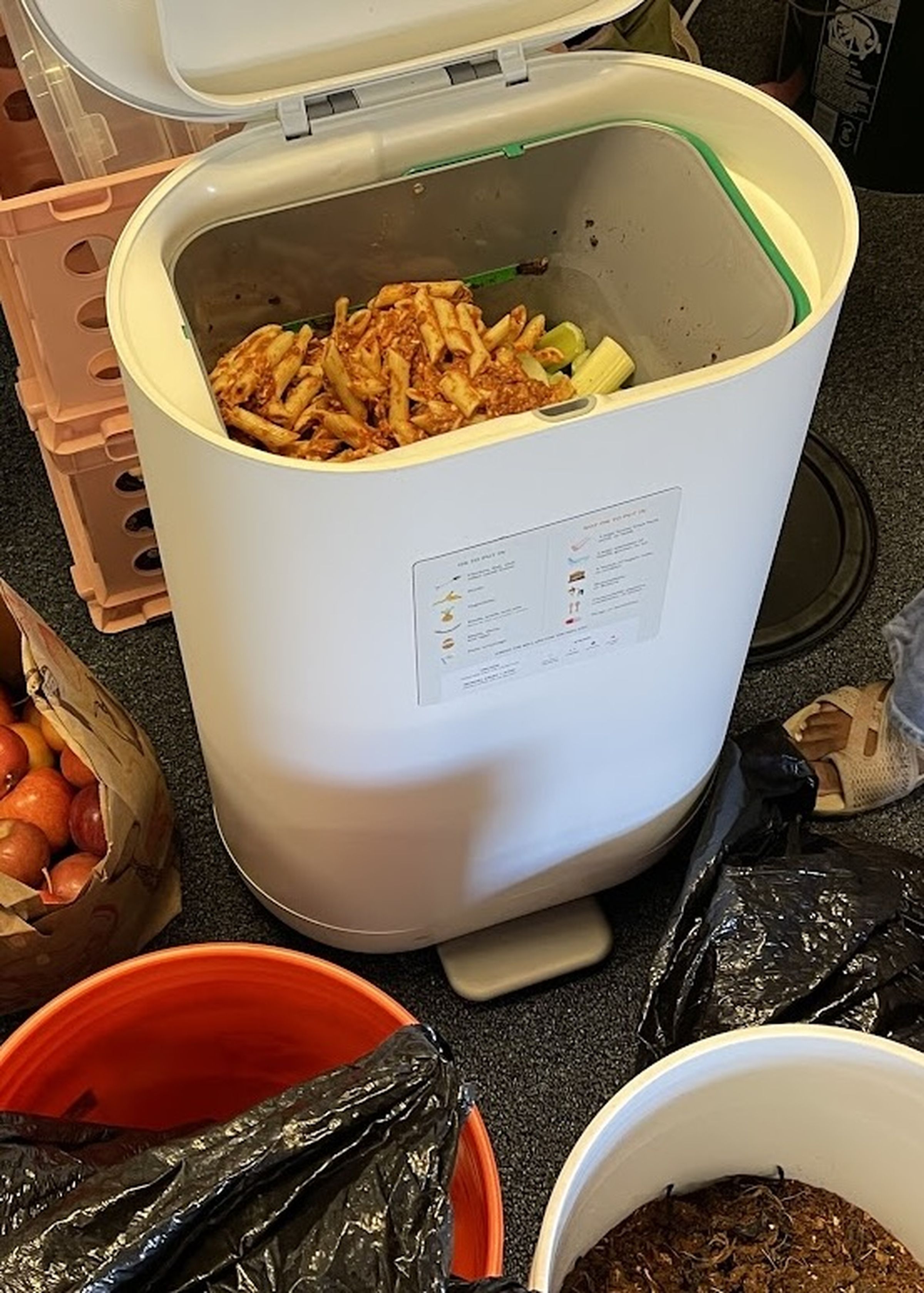
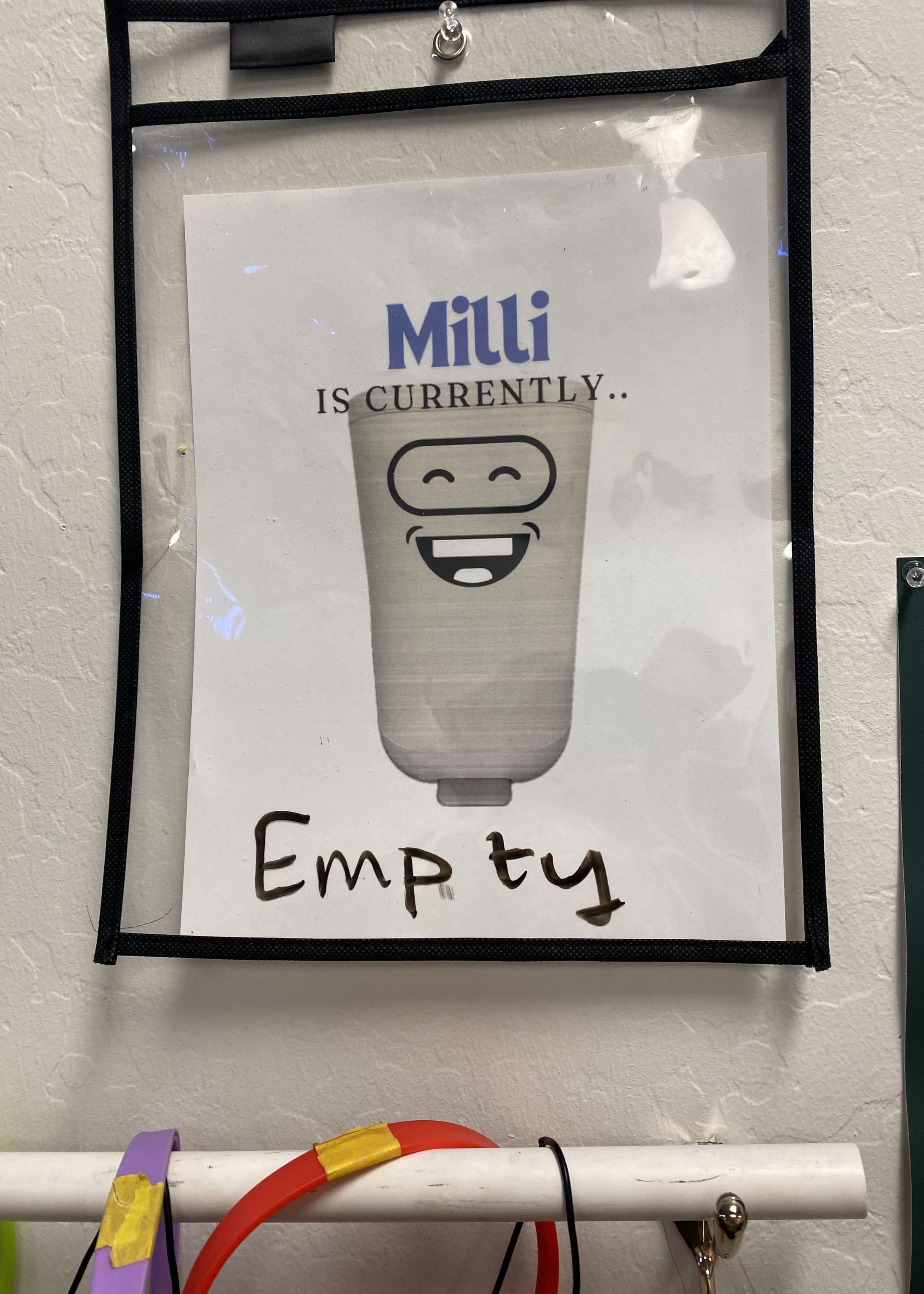
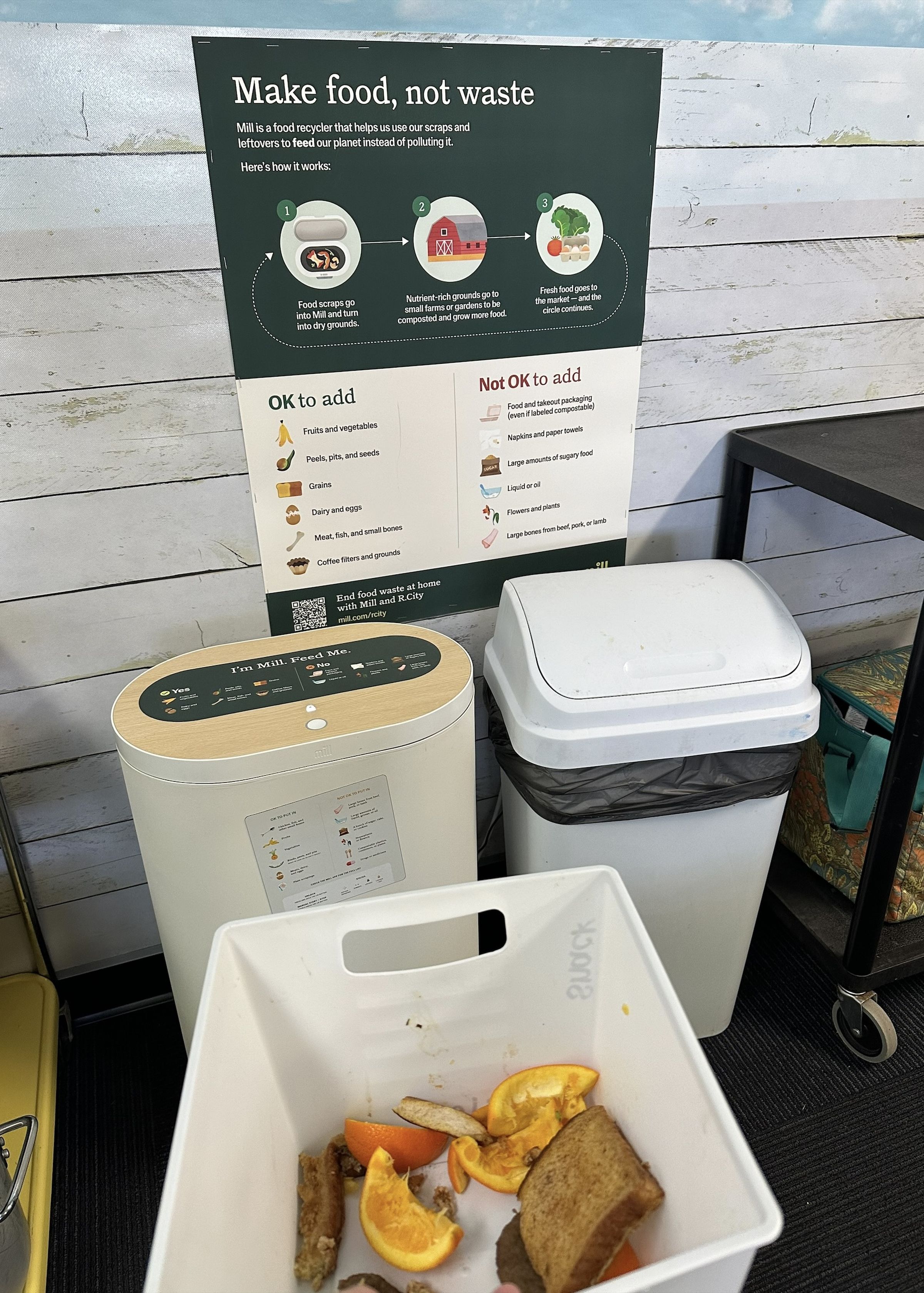
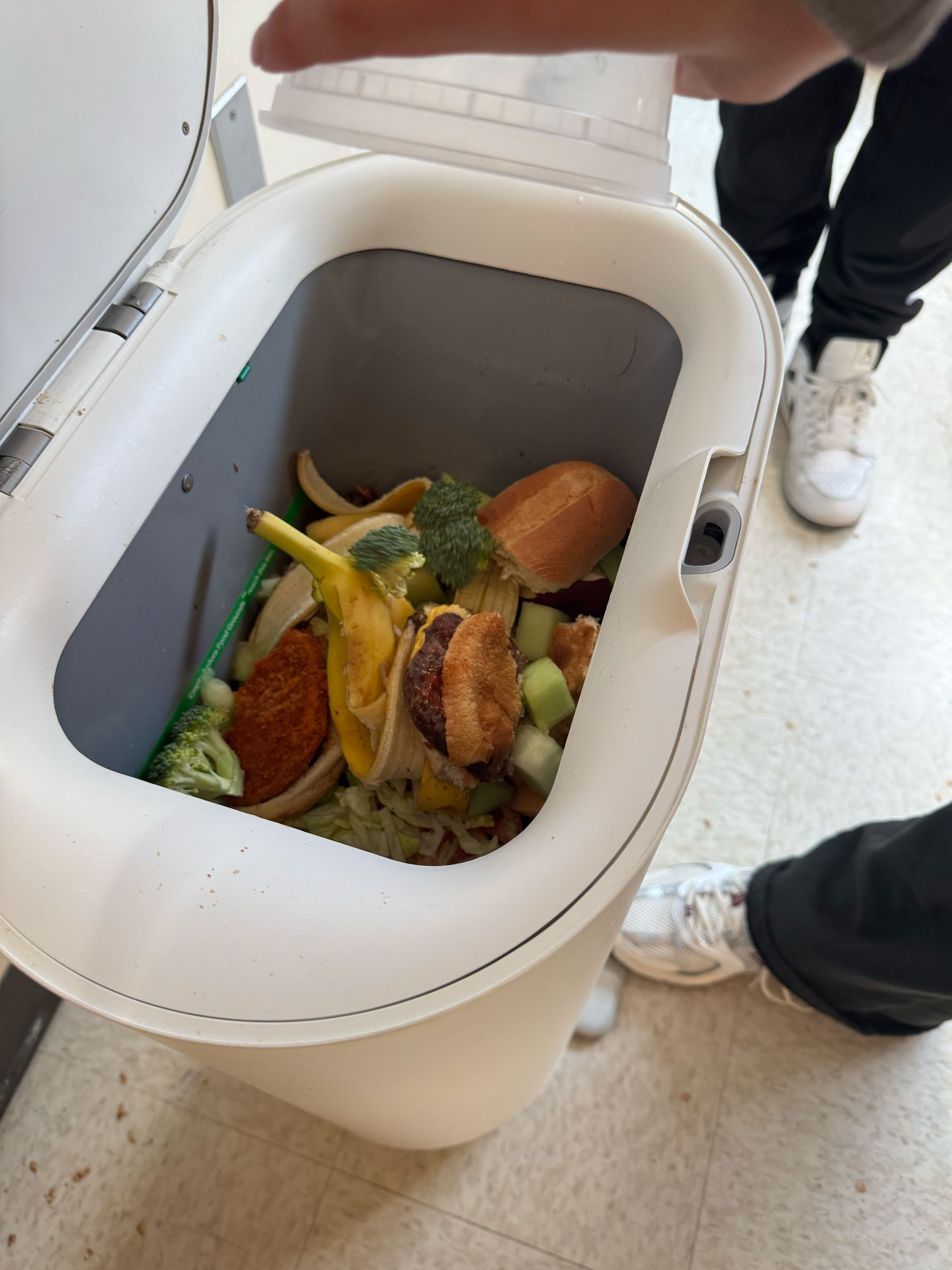
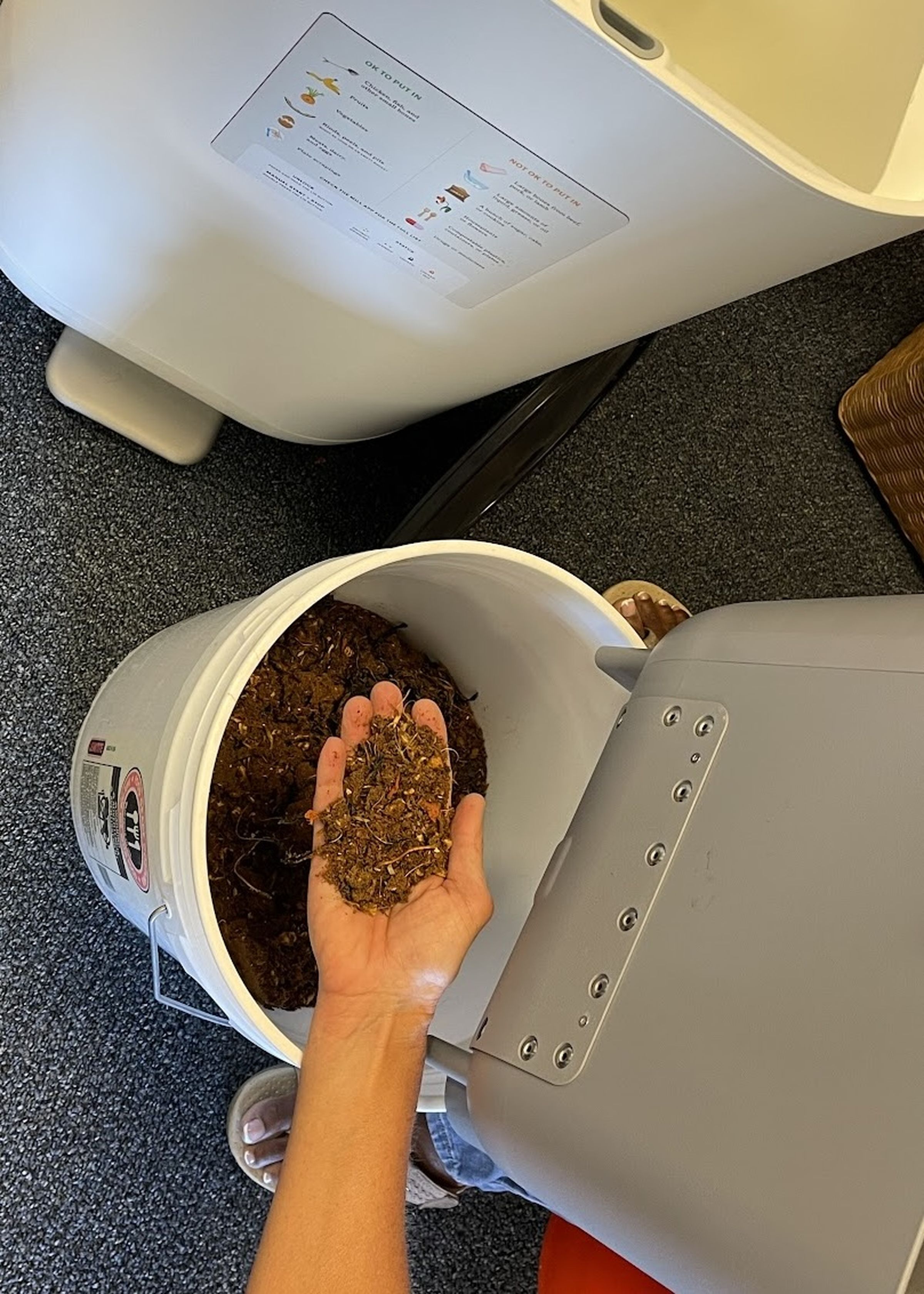
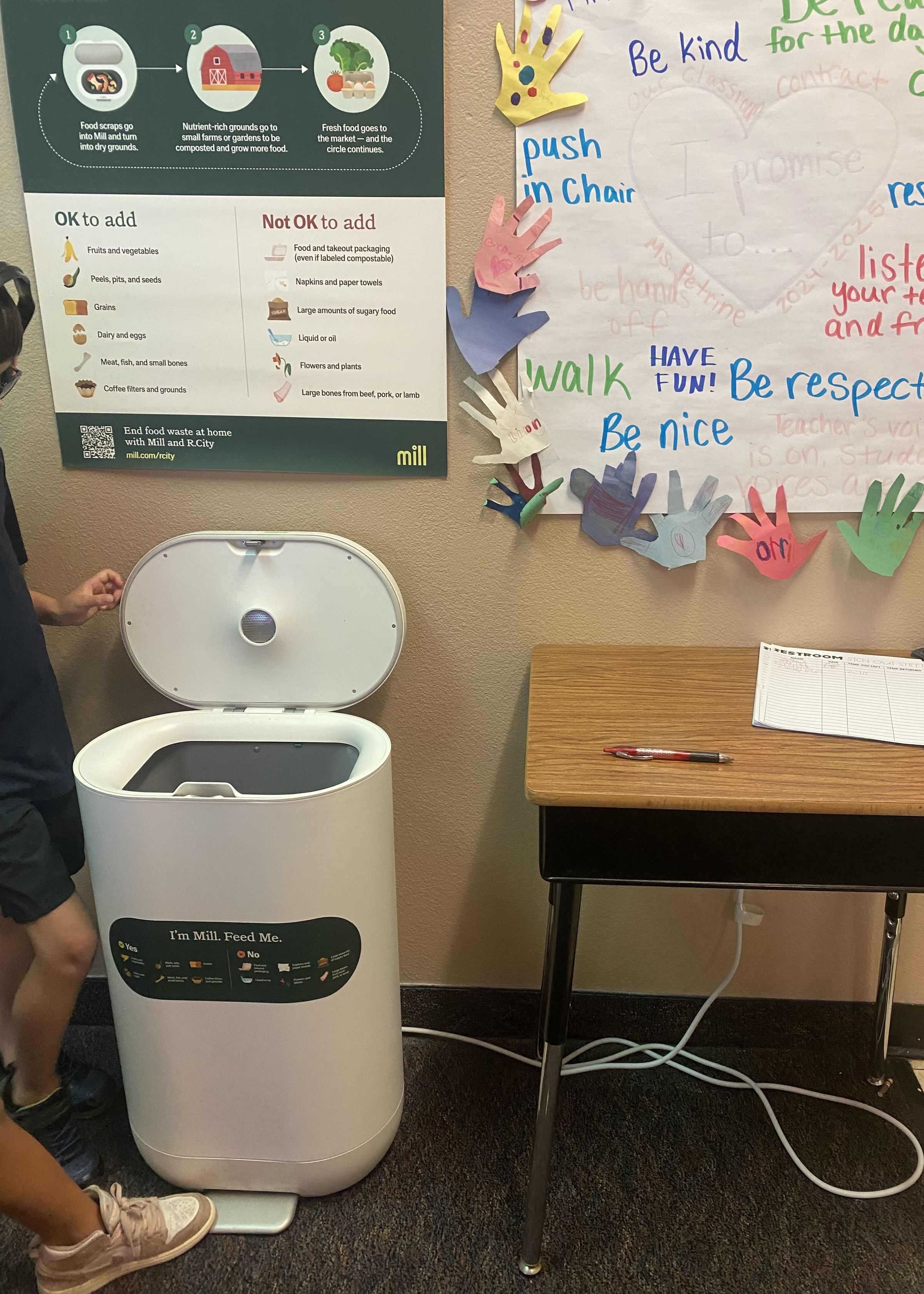
Mill is the odorless, effortless way to prevent food waste in schools. Mill dries and grinds food scraps — shrinking them by 80% and making them shelf-stable. It takes weeks to fill! You can set Mill to run automatically or manually with your class.
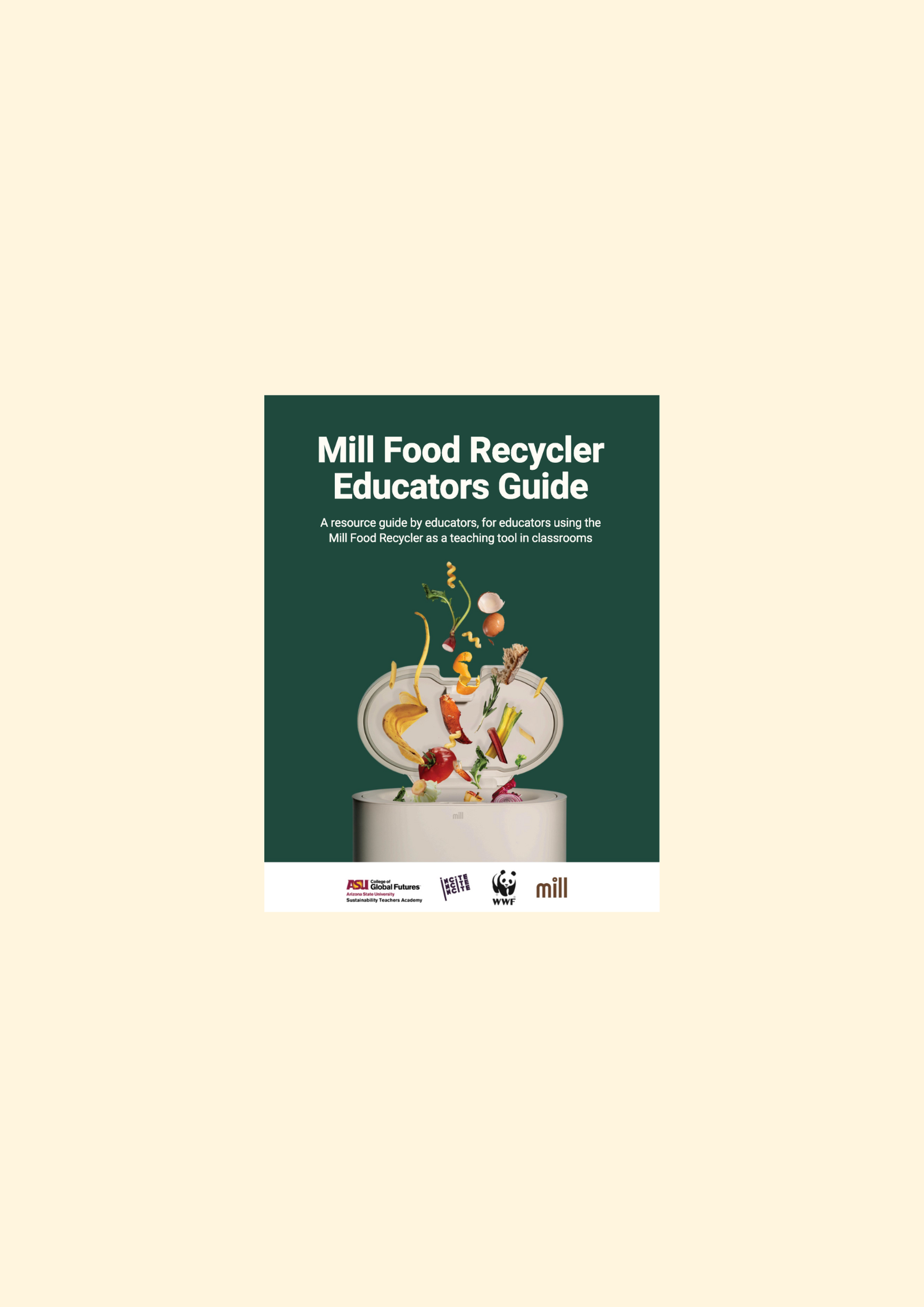
Educators Guide
Building on World Wildlife Fund's Food Waste Warriors toolkit, this Guide expands resources for schools, offering activities and lessons that highlight the Mill as an impactful and easy-to-use tool to raise awareness about wasted food and to manage food scraps in the classroom.
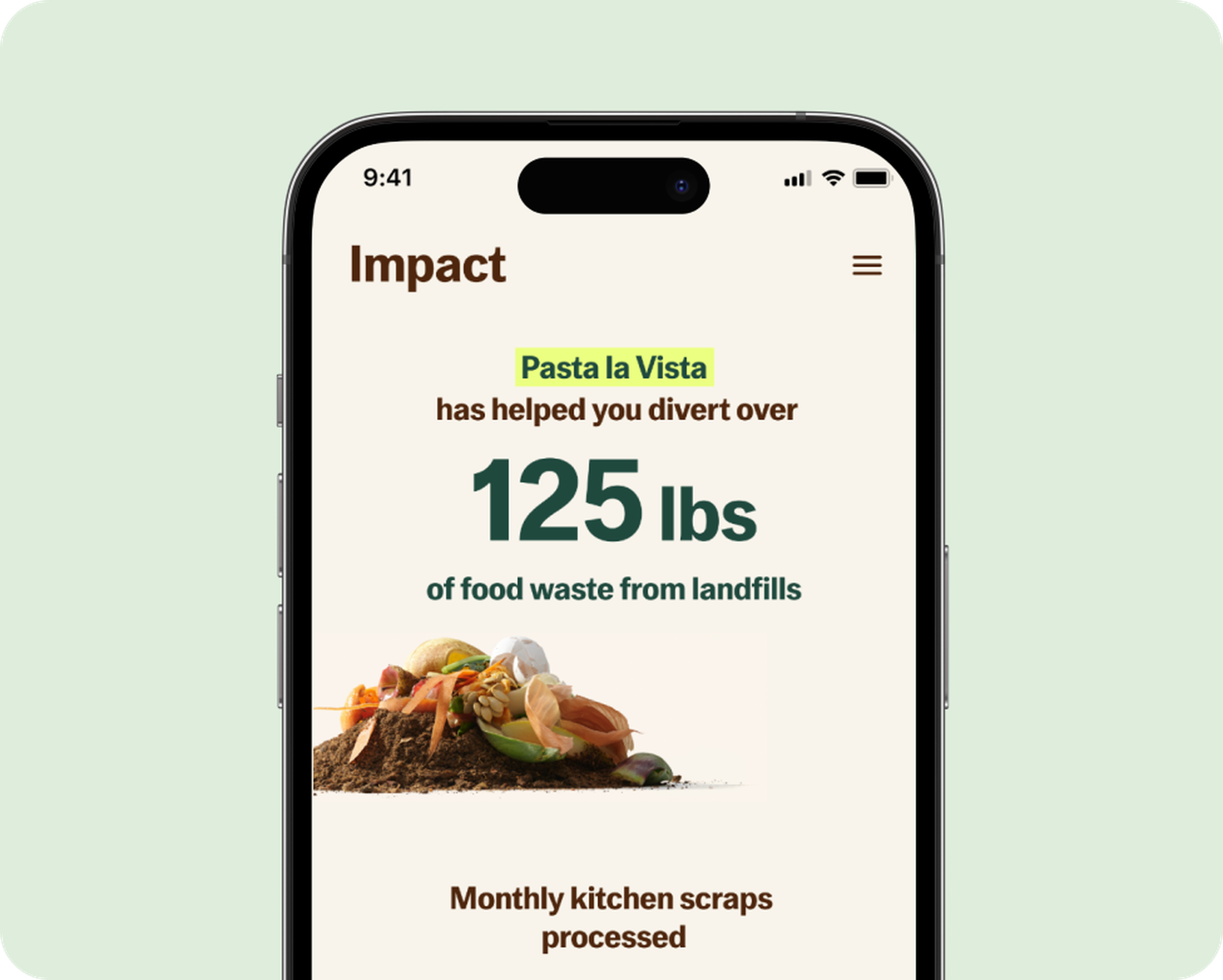
Impact reporting
The connected bin provides usage and impact data from day one. Receive shareable impact reports on pounds of food sent back to farms or diverted from the landfill to engage students, school administrators, and community members.
Receive multi-disciplinary lessons for PreK - 12th graders using Mill as a teaching tool.
Pricing
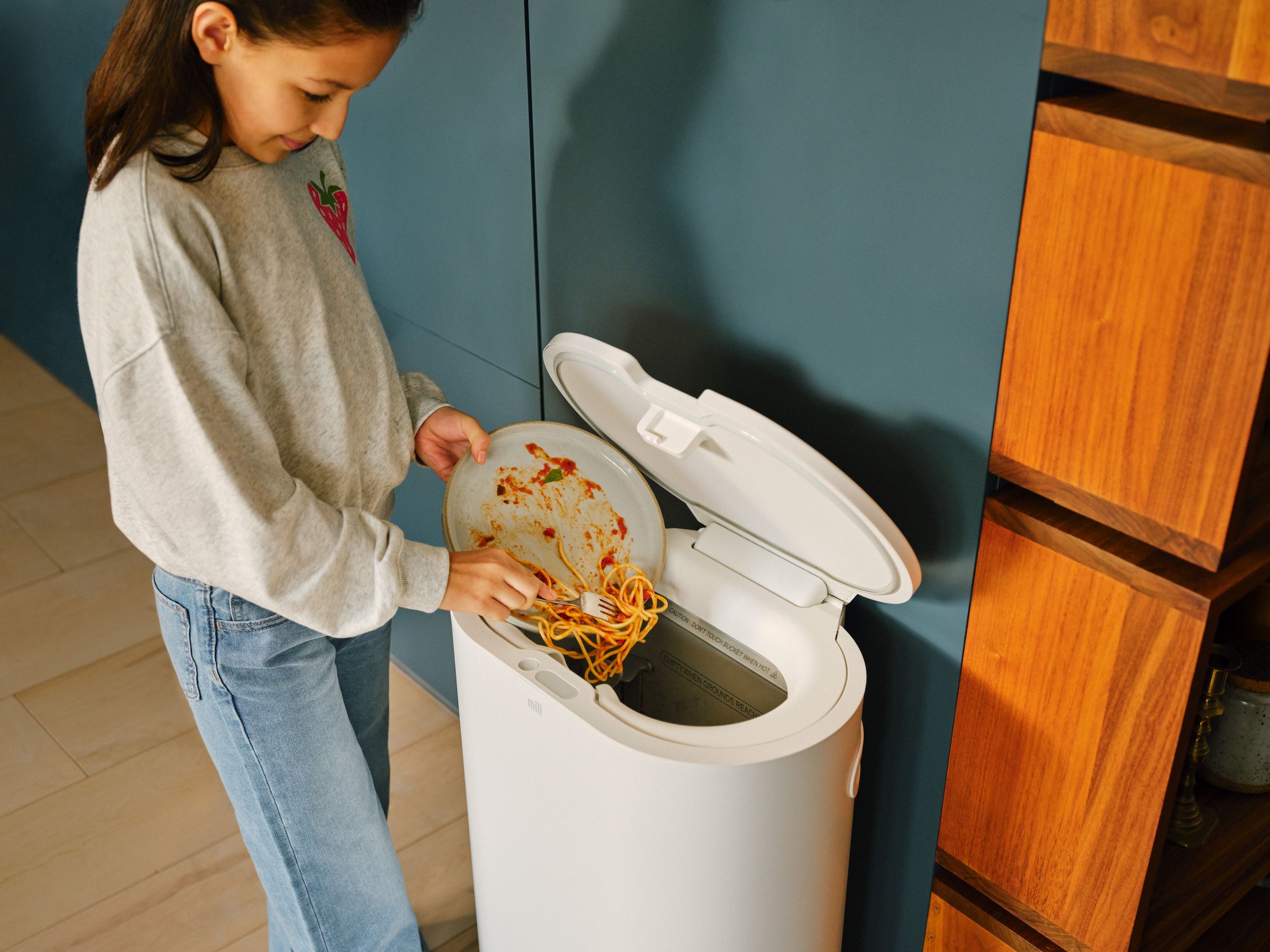
90 day trial
Mill for Schools discounted price
$999
Use code MILLFORSCHOOLS. Available for White Bin purchases only
How it works
Sign-up
Pay today — Receive a $150 discount with code MILLFORSCHOOLS.

Verify information
We'll send you an email to verify your account and send you our education materials.

Receive your Mill food recycler
Have your bin delivered right to your school's doorstep.
Schools with Mill
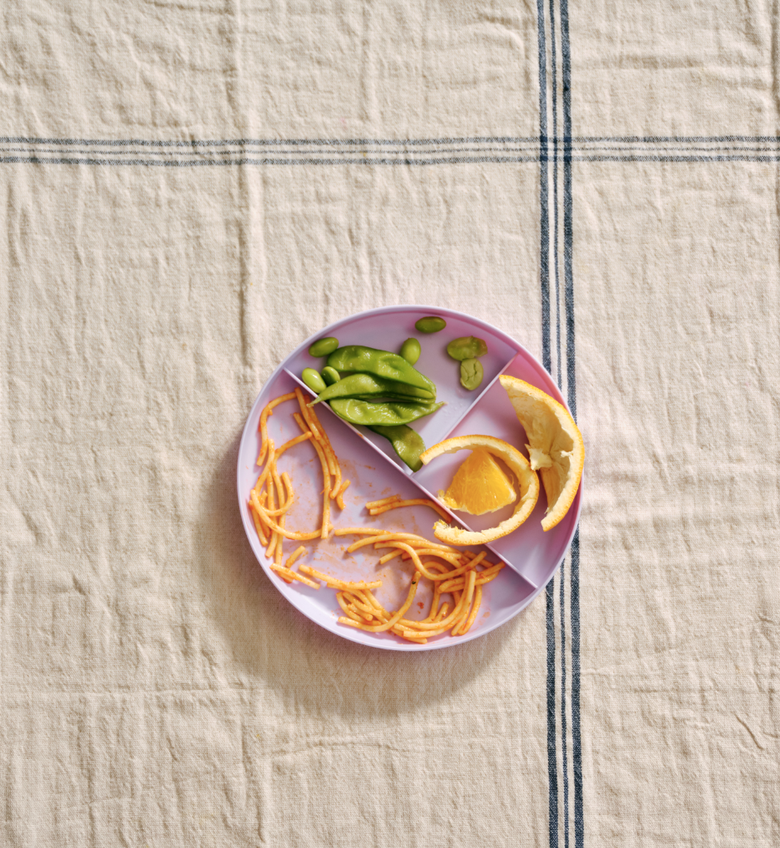
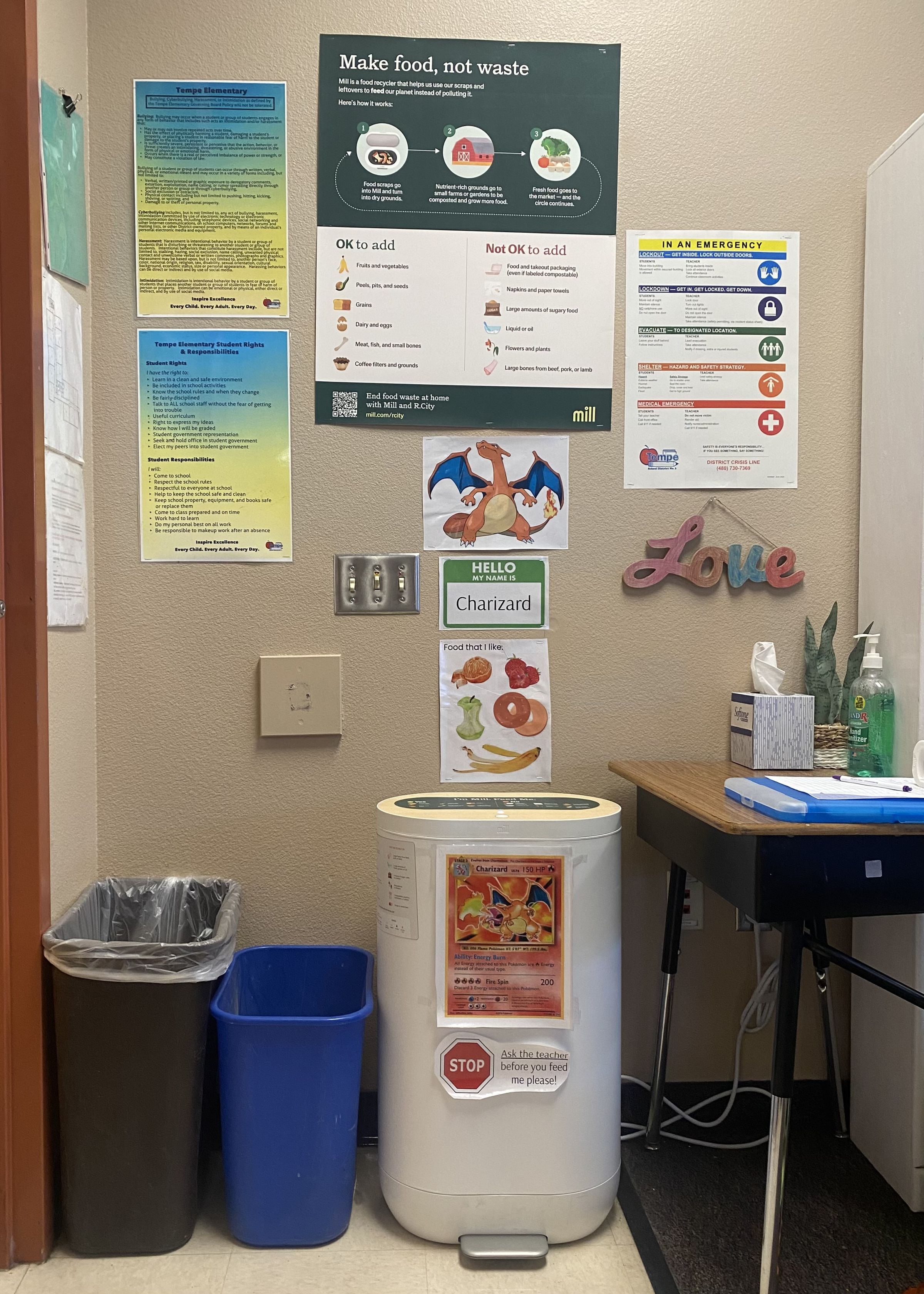
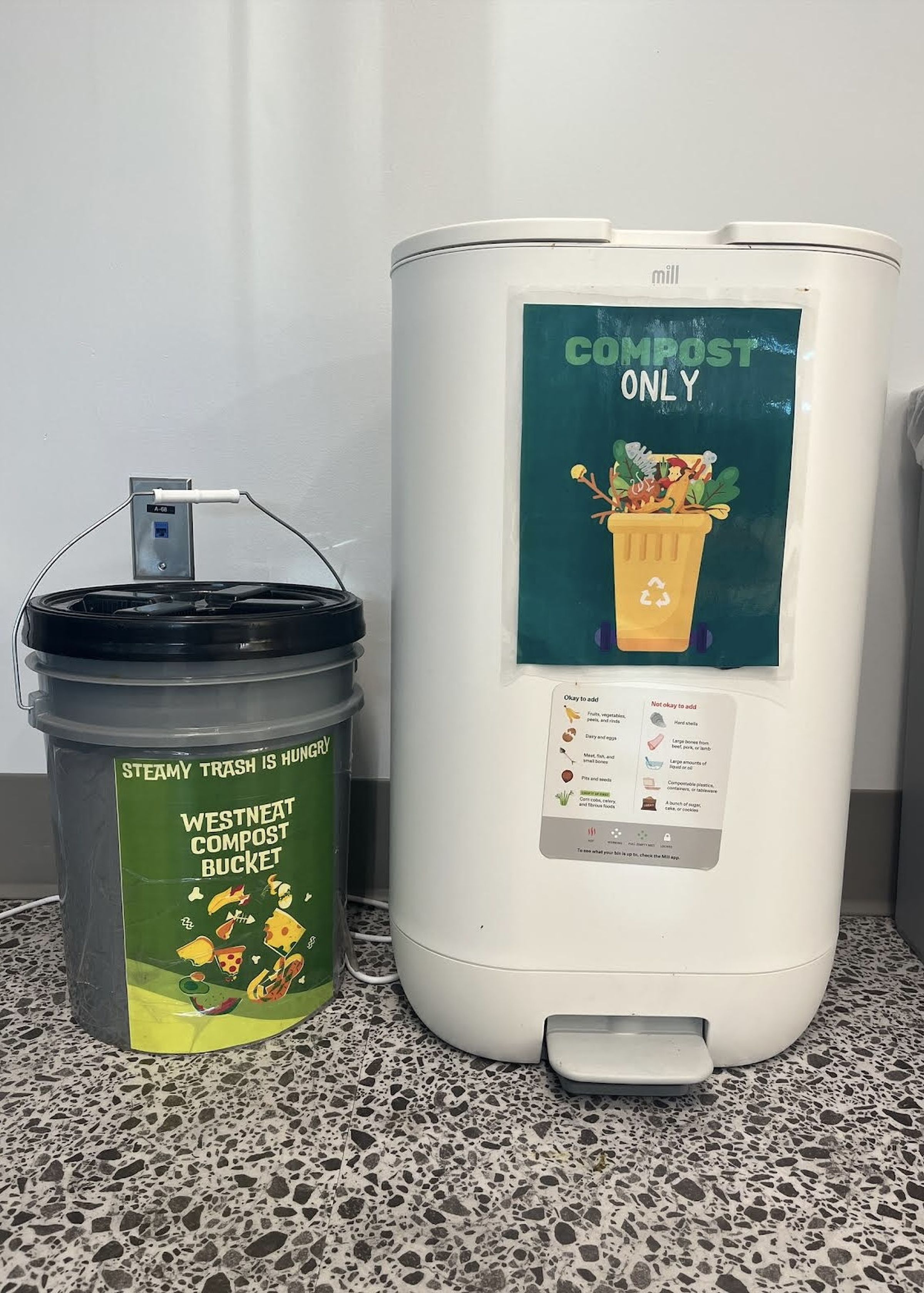
“My students love using the Mill. Collecting food during lunch is not an official job in my class since it means giving up some of their personal eating time. But I consistently have students clamoring to "take Bucky" (the name of our collection bucket) with them to lunch and collect the food. It has been so great to see them encourage students to put food on the share table or take food back home instead of putting it in Bucky.”
Educator in Arizona
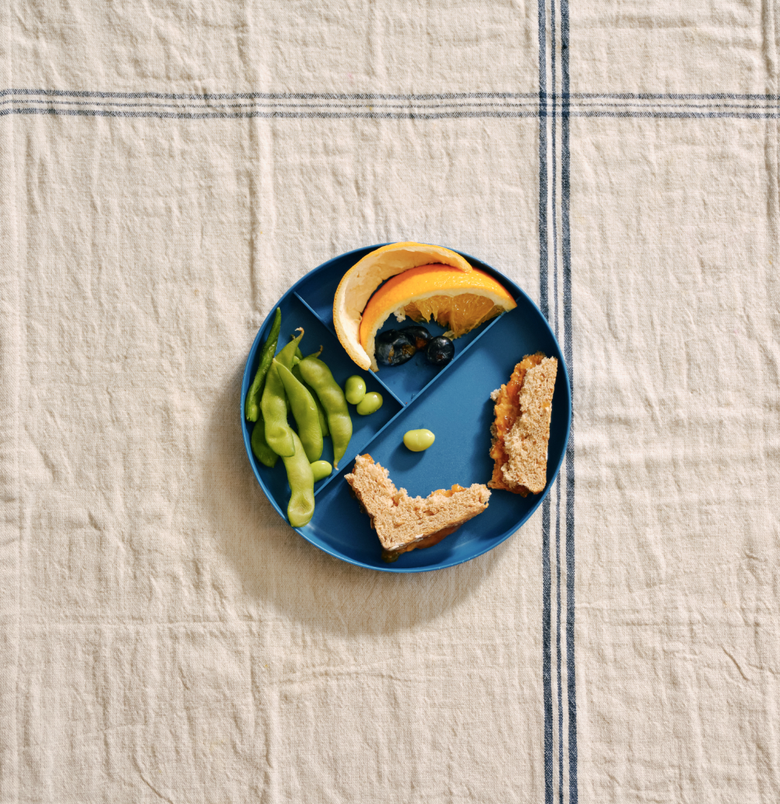
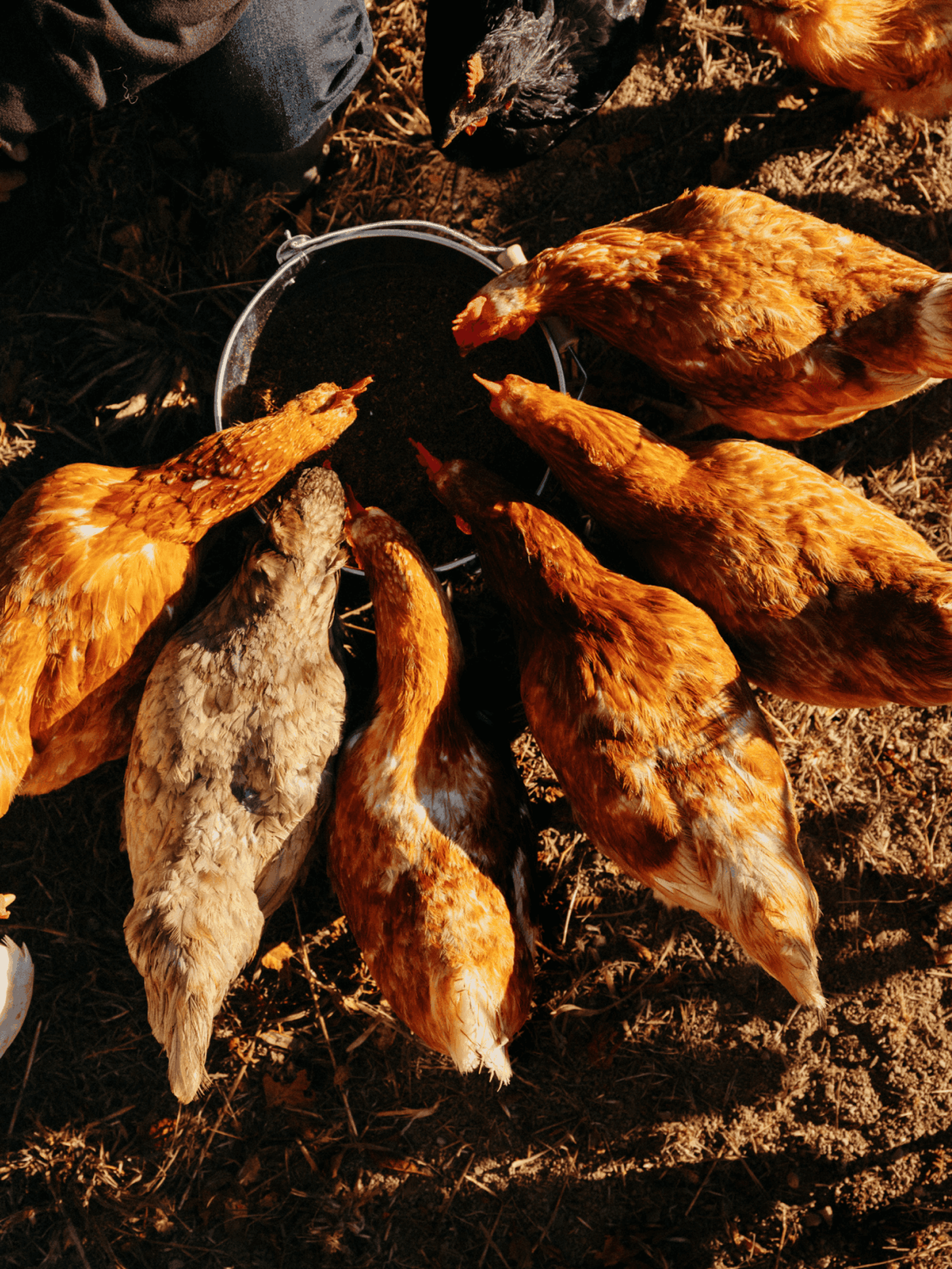
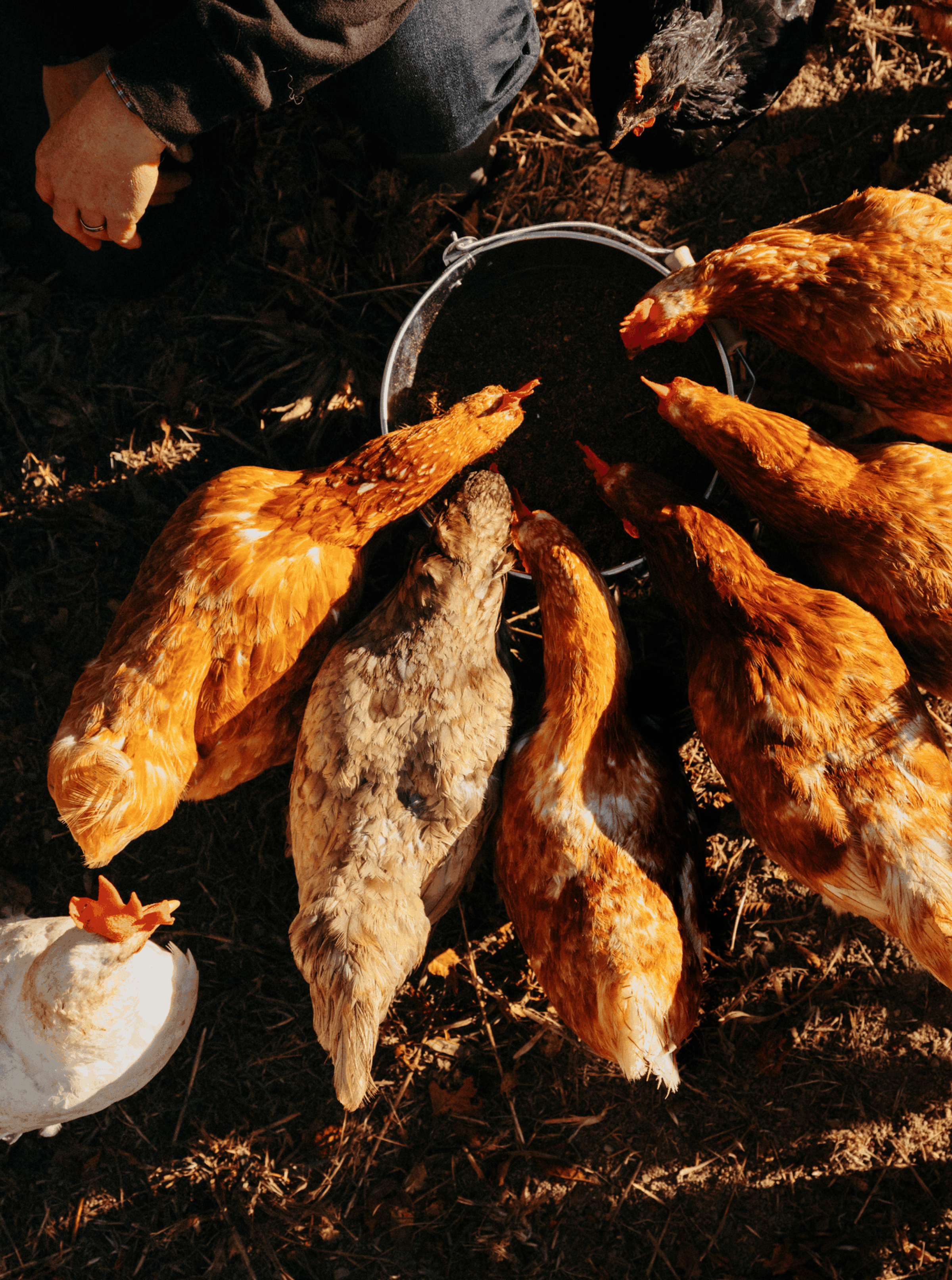
“I want to add how excited the students were every time the magic happened…being their food scraps becoming food for our school chickens.The children I taught lived downtown and did not have a lot of access to nature. However, through discussions of food waste and the environmental impact, Mill, and our chickens, they witnessed their food waste never leave school grounds. 10 out of 10 experience!”
Educator in Kentucky
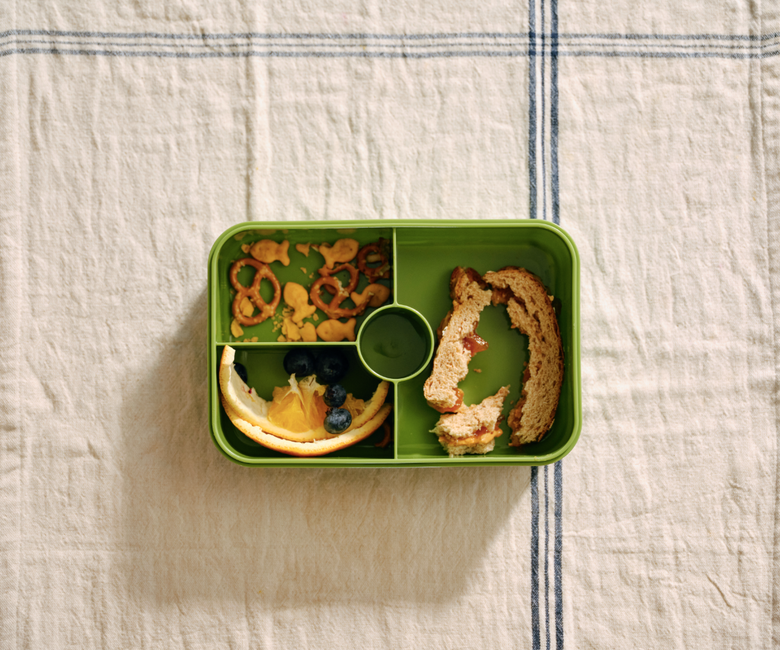
"The Lamplighter School has composted lunch scraps for years as part of our school's Green Team/ environmental initiative. We have extensive gardens and an annual flock of chickens. We trialed Mill and have been so thrilled with the result that we ordered 7 more, to put in each grade level (Pre-K - 4th). We are eager to see how the students and faculty embrace the simplicity of the technology, the cleanliness of the device, and the ultimate repurposing of food into chicken feed! We are delighted with the potential student learning and engagement with Mill!"
School COO in Texas
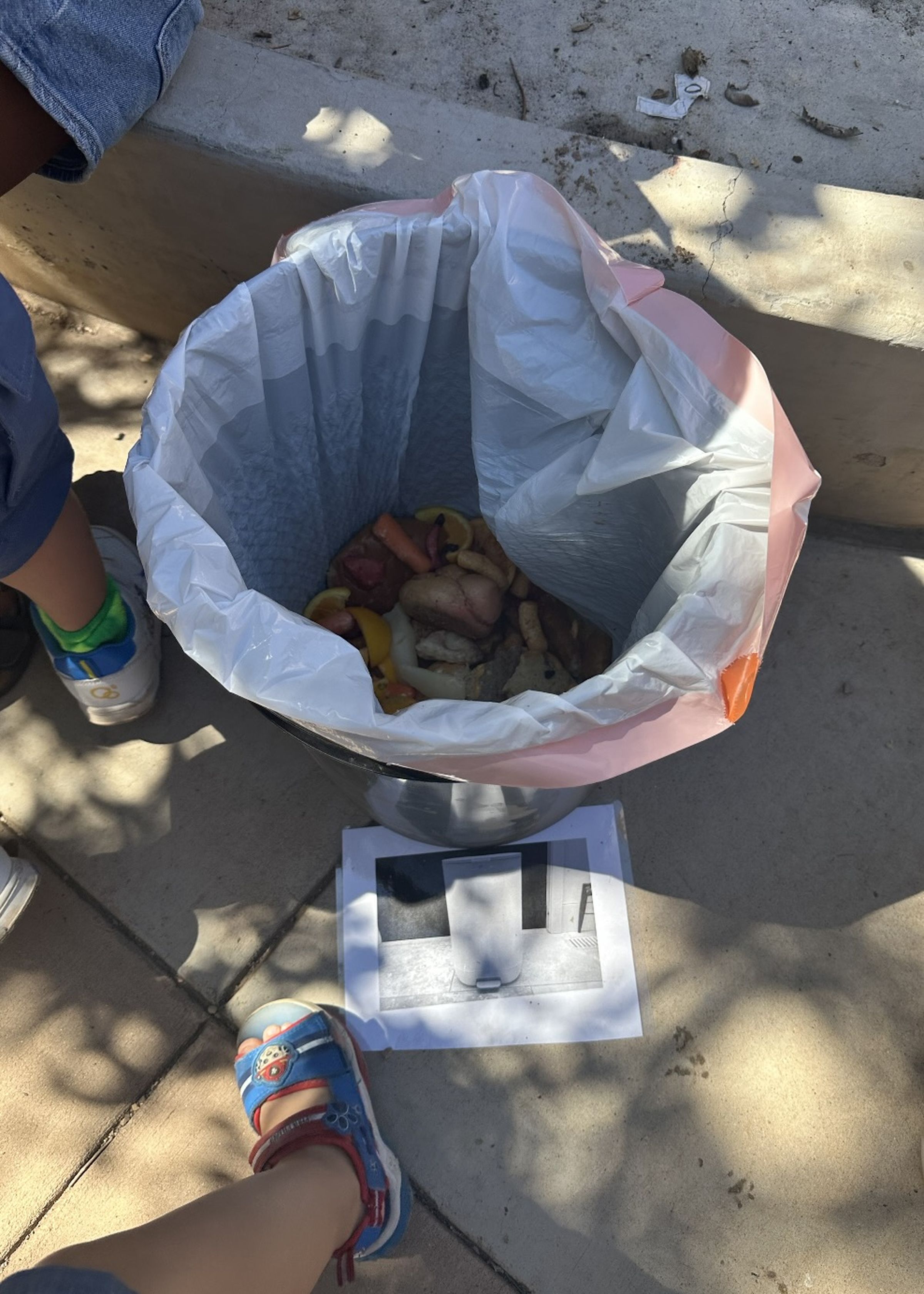
“We have been using Mill for two months. Every day at lunch one of us gets a five-gallon bucket and brings it to the cafeteria. When we finish our lunch, we put leftover food in the bucket. After, we take the bucket upstairs and dump everything in the Mill. Our plan is to use it in the school garden beds and to experiment if it helps plant growth...We love the Mill."
Students in North Carolina
“The Mill is a great hands-on learning asset. It allows students to see food waste reduction as a continuous process, where we collect and transform leftovers right in our classroom. This complements our efforts by giving students a deeper understanding of waste cycles and sustainable practices without the need to manage a larger cafeteria setup. Plus, it reinforces the idea that food waste reduction is possible at any scale—something they can even bring into their own homes.”
Educator in Arizona
Access Point Requirements for Mill food recycler
– Only compatible with to 2.4GHz networks (802.11b/g/n)
– Supports WPA/WPA2/WPA3 (Personal)
– Does not support WPA2/WPA3 Enterprise
– Does not support captive portals
– Client isolation is okay
– Setting up and accessing the bin does not require being on the same Wi-Fi network as the bin.
– If your Wi-Fi network enforces MAC address filtering, Mill support can provide MAC address(es).
– Max usage per day is around 5.6Mb.
– Note : This device does not have cell connectivity or ethernet connectivity.
– If your network has a firewall, your bin(s) must be allowed.
Yes! Here are a few:
As a general rule of thumb, if it comes off your cutting board or plate, you can Mill it!
Here are some examples:
– Small bones (like chicken or fish)
– Fruits
– Vegetables
– Rinds, peels, pits
– Meat, dairy, eggs
– Coffee grounds
Things that don’t belong in the bin:
– Large bones (like beef, lamb or pork)
– Hard shells
– Large amounts of liquid, grease, or oil
– Large amounts of sugar, cake, or cookies
– Large amounts of fibrous or starchy material (e.g. corn husks, potato peels)
– Houseplants or flowers
– Drugs or medicine
– Compostable plastics, packaging
– Take-out containers, paper plates
– Moldy meat
– Questionable leftovers (if they're more mold-than-food, it shouldn’t go in)
You put in scraps and the Mill will automatically dry and grind them overnight (or whenever you schedule your cycle to run).
– The Dry & Grind cycle slowly heats and mixes your kitchen scraps in order to conserve your food’s nutrients.
– Each cycle varies depending on the amount and moisture content of kitchen scraps you put in. Wet kitchen scraps like fruit will take a little longer, and dry scraps like bread will be shorter. See the Dry & Grind Cycle Tips article to learn more about typical cycle times depending on mass adds, as well as other tips and tricks.
– The bin can take a while to grind up food because it runs a low power, energy-efficient cycle.
Please note: A little bit of caking in the bucket is normal and not cause for concern. It will come off over time.
What happens to the moisture removed from my food?
– As the bin dries your food, the water evaporates and air is pushed through a sophisticated odor management system, which includes a charcoal odor filter to help de-smellify.
– This air is then expelled through the bin’s exhaust fan system out the rear sides of the device.
– In a typical room, that moisture dissipates quickly and isn't noticeable.
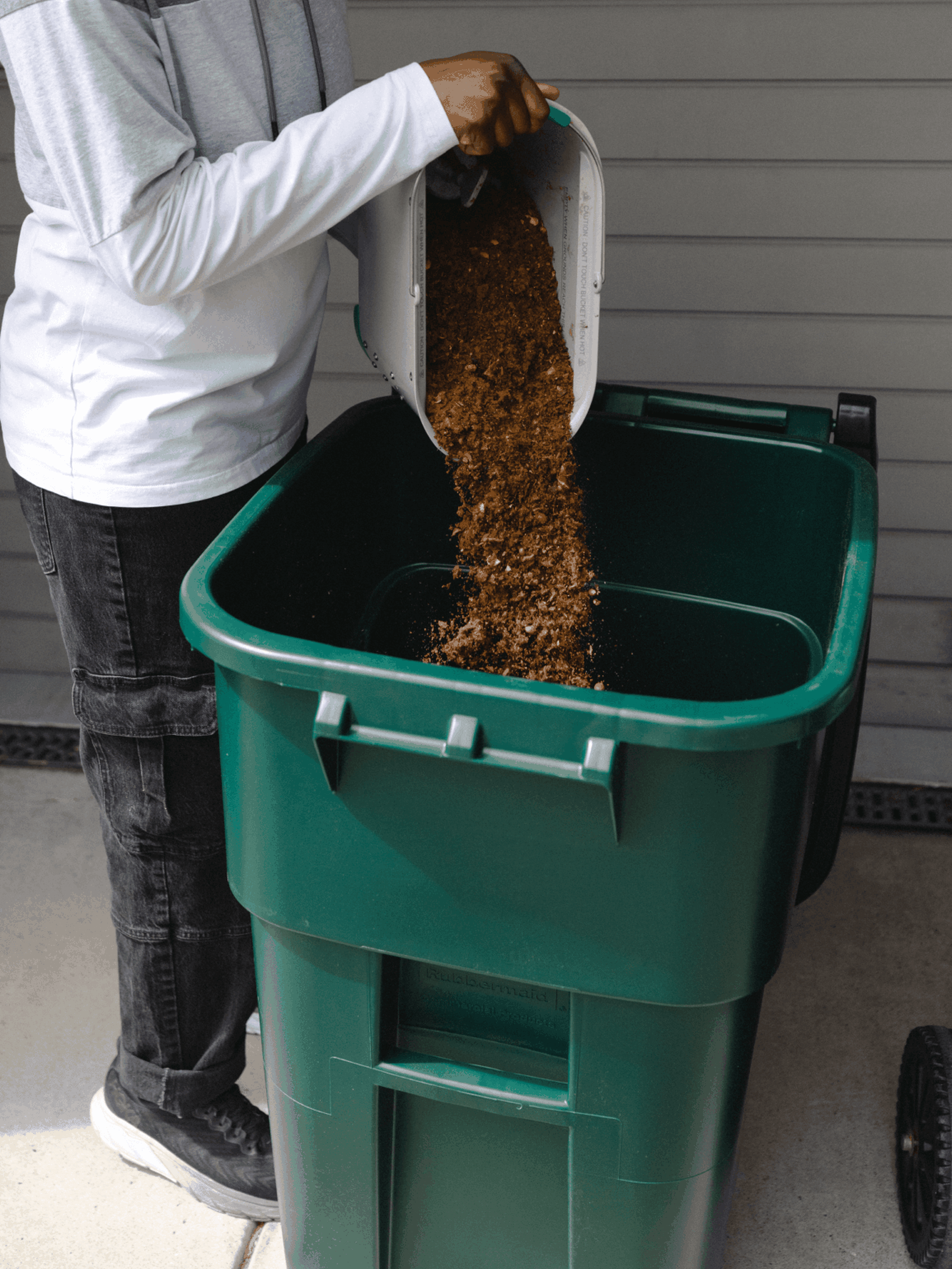
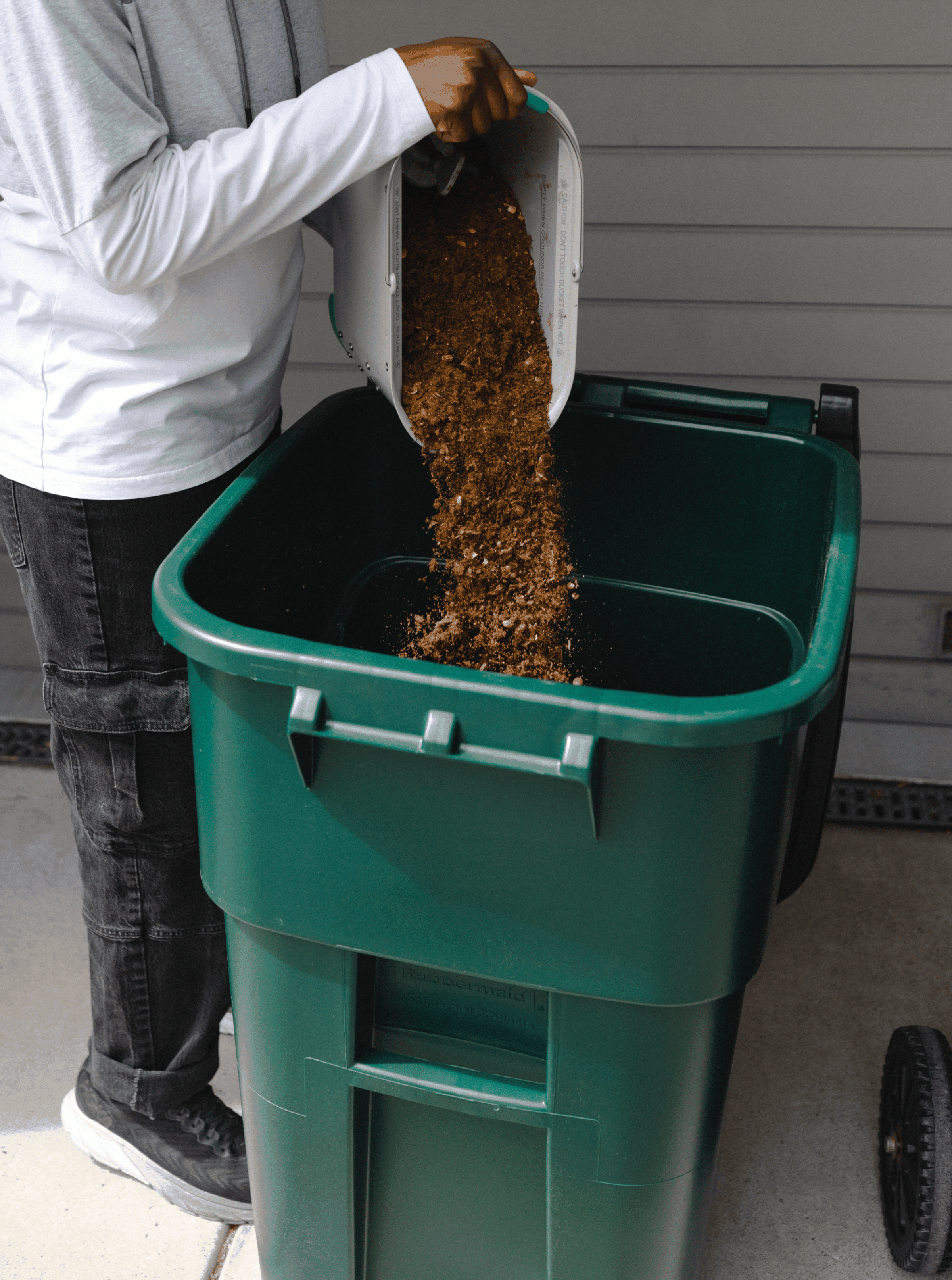
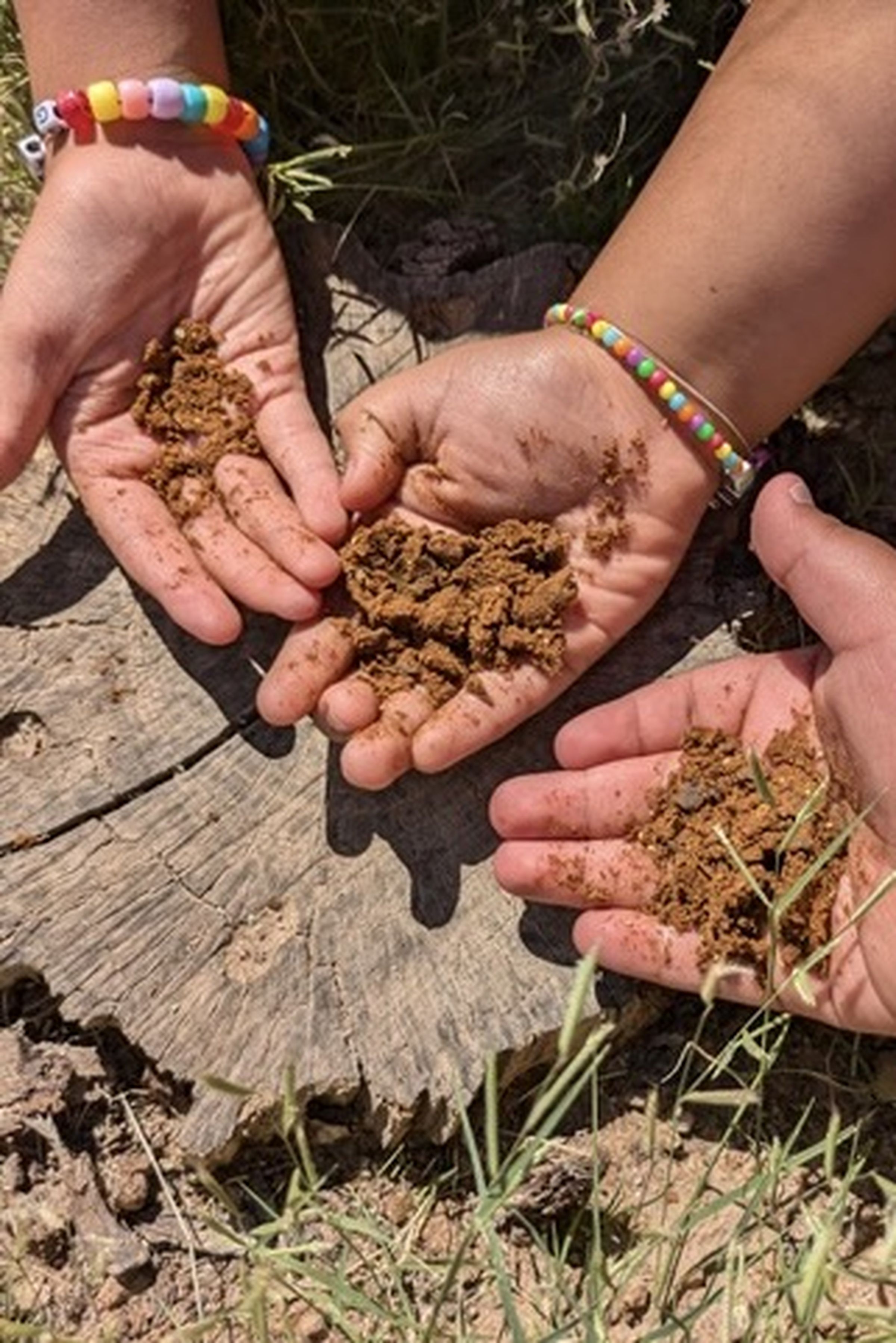
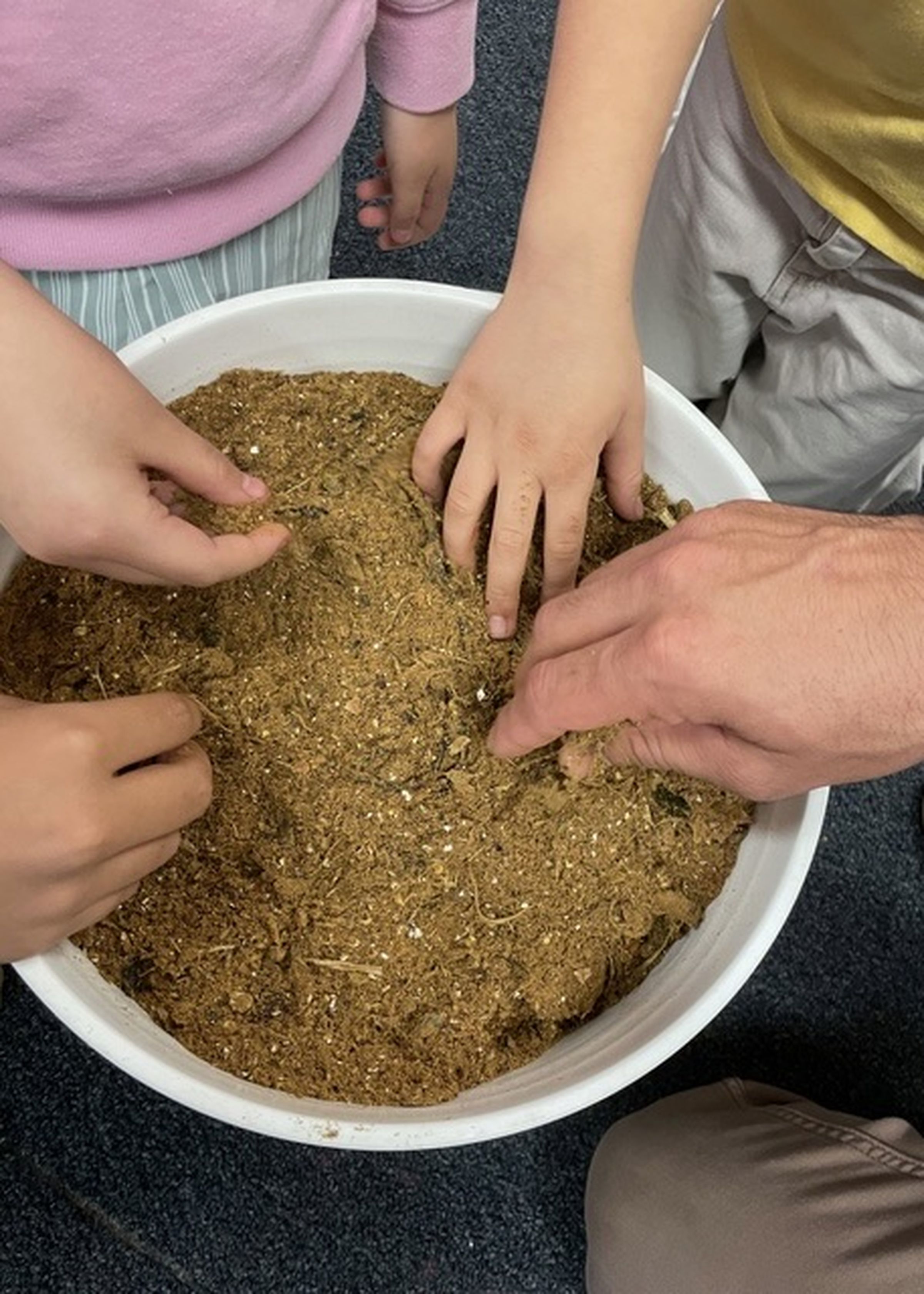
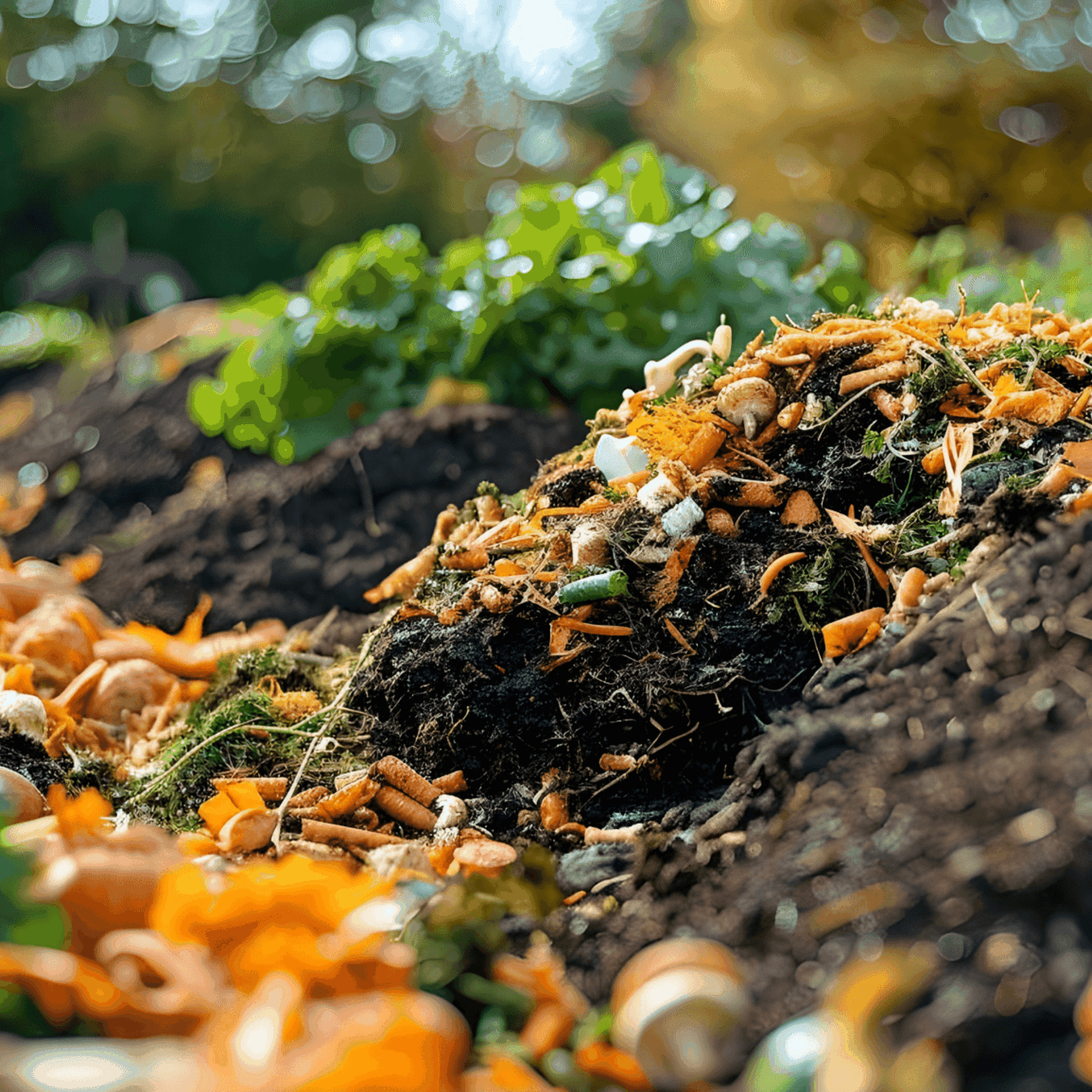
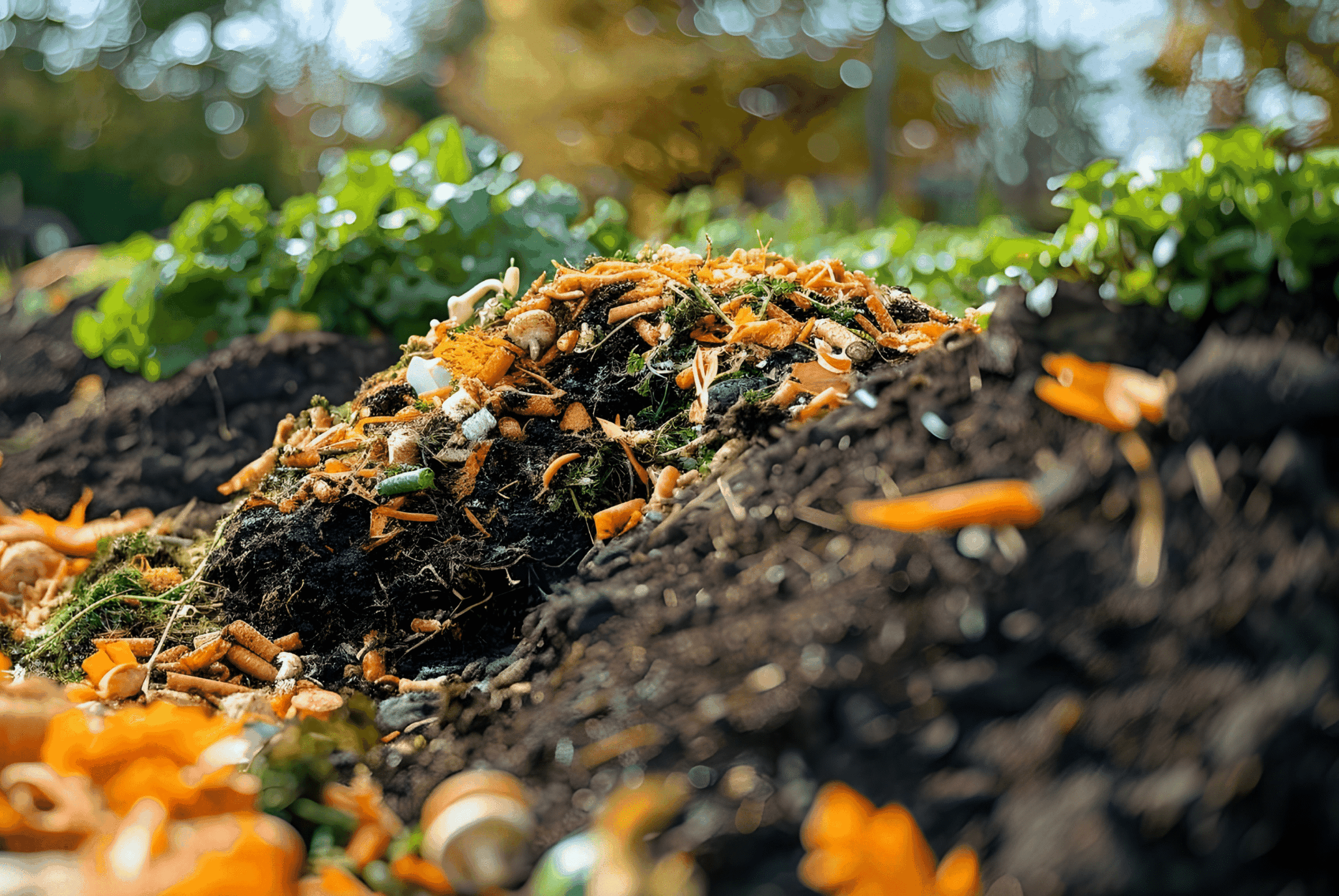
Your grounds can be added to your compost pile, used in your garden, or dropped in your curbside organics bin. Check out this page for more details.
Remember that your Food Grounds are a mix of the food you couldn’t or didn’t eat and best used as a feed ingredient, not a full feed. You likely want to include other feed in your chickens’ diet too. There are some scraps that can be harmful and potentially toxic to chickens, like avocado pits and onions, so you’ll want to be careful adding those types of scraps, just as you might not feed them directly to your chickens if you didn’t have the Mill. Check out our guide to chicken feed here.
Don’t have a use for your Food Grounds at home? Opt into Mill pickups. Send them to Mill so they can go back to the farm as food for chickens. Mill pickups include home USPS pickup if eligible (just request it in the app) with postage-paid boxes and liners. We receive shipped Food Grounds at our feed manufacturing facility where we turn them into a safe and nutritious chicken feed. The facility inspects and aggregates Food Grounds, before removing contaminants, screening, pasteurizing, and homogenizing them to make a feed ingredient. From there, they are delivered to Wilcox Farms in Roy, Washington (an hour south of Seattle). You can learn more about our small farm partners here.
Reach out to Mill Support with your tax-exempt certificate and we'll walk you through the process.
You can purchase any color bin. The special offer of $999 is available on White Mill Plus bin purchases only with code MILLFORSCHOOLS.


Stay in the loop.
Subscribe to Mill updates.
